By Elena Hart · Wellbeing editor
TL;DR: Beginner meditation works by giving your attention one simple anchor: the breath. Choose a quiet spot, set a timer for 2 to 5 minutes, sit comfortably, and follow each inhale and exhale. Every skill you need develops naturally from that starting point.
Start With Breath Awareness
The core of beginner meditation is breath awareness: sit comfortably, notice air moving in and out, and gently return your attention each time the mind wanders. That’s the entire practice in its simplest form.
Breath awareness is the most accessible starting point because the anchor is always present. The goal isn’t to empty the mind or force calm but to place attention on something already happening: the natural rhythm of breathing. A common technique to keep the mind lightly engaged is to silently label each breath, “in” as you inhale and “out” as you exhale.
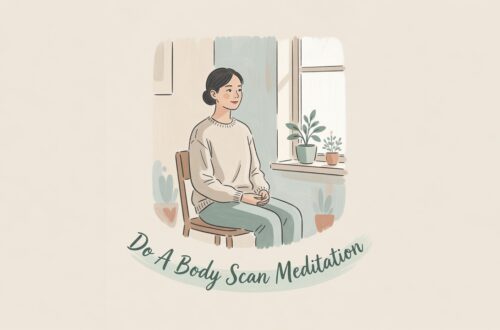
A short body scan is a second beginner-friendly option: move attention slowly from the top of the head down to the feet, noticing sensations without trying to change them. Both methods require no equipment and work anywhere you can sit quietly. The Mindful.org how-to guide offers step-by-step walkthroughs of both techniques.
Posture and Space for Beginner Meditation
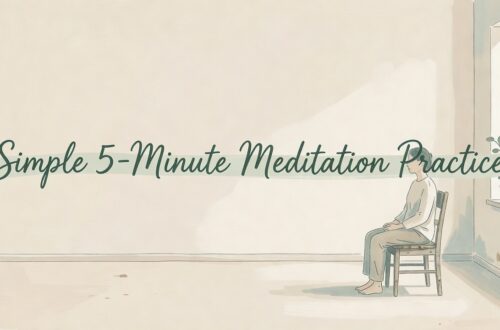
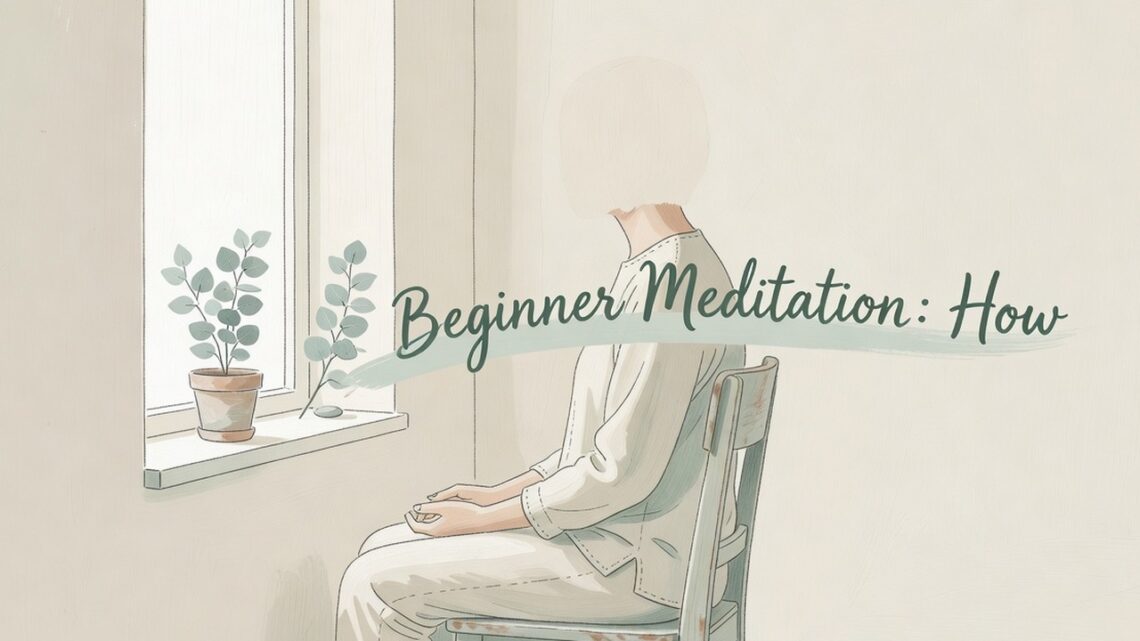
A dining chair is a perfectly suitable seat for beginner meditation. Sit toward the front edge with feet flat on the floor, spine gently upright but not stiff, and hands resting on your thighs or in your lap. Alert without tense is the target posture.
If you prefer the floor, a folded blanket or firm cushion under the hips raises them slightly and supports a long spine. Lying down is an option, though many people find the body associates horizontal positions with sleep, making alertness harder to maintain. Returning to the same position each session helps the body recognize that practice is beginning.
For eye position, there’s no single correct answer. Closing the eyes is the most common choice because it removes visual distraction and helps direct attention inward. If closed eyes bring on drowsiness, try a softened gaze: lids slightly open, looking downward at a soft angle without focusing on anything. The NHS mindfulness guide is another practical starting point for new practitioners.
Try This: Set a timer for 3 minutes. Sit in a comfortable chair, feet flat on the floor, hands resting in your lap. Close your eyes or soften your gaze downward. Take 1 slow breath, then let your breathing return to its natural pace. For the rest of the session, simply notice each breath: the rise and fall of your chest or belly, the brief pause at the top and bottom of each cycle. Each time a thought pulls you away, let it be there and bring your attention back to the next breath. When the timer sounds, stay still for 1 more breath before opening your eyes.
When Beginner Meditation Feels Like Constant Distraction
A wandering mind during beginner meditation isn’t failure; it’s what minds normally do. Noticing that attention has drifted and choosing to return to the breath is the skill being trained, not a correction after getting it wrong.
When you catch attention somewhere else entirely, which can happen several times in a single minute, the only instruction is to return without judgment. There’s no need to analyze the thought, push it away, or feel frustrated. Each return counts, however many there are in a session.
Many people begin expecting quiet and feel discouraged when they find noise instead. What tends to help is treating each return to the breath as the main event, not as a recovery from failure. Mind wandering is normal at every stage, from the very first session to years of practice.
Guided or Silent: Choosing Your Beginner Meditation Style
Guided beginner meditation uses a recorded voice or live instructor to manage pacing and prompts throughout the session, leaving less for the practitioner to figure out independently. Many beginners find this format makes the first few weeks easier because there’s always something concrete to follow.
Apps like Headspace offer short, guided programs designed specifically for new practitioners. Free recordings are also widely available on platforms like YouTube and Insight Timer. The format matters less than finding something you enjoy enough to return to regularly.
Silent practice uses only the breath as an anchor, with no voice to follow. Many practitioners start with guided sessions and add unguided time gradually as they get more comfortable with quiet. Using both formats in the same week is entirely fine.
Building a Daily Beginner Meditation Habit
Short sessions practiced daily build a lasting beginner meditation habit more reliably than longer sessions done occasionally. A common starting approach is 2 to 5 minutes each day, adding 1 minute per week as the practice becomes more familiar.
Connecting practice to an existing daily activity helps it stick. Sitting right after waking, before your first coffee, or just after lunch are natural attachment points. The specific time matters less than keeping it consistent from day to day. A regular time and place help the body recognize the cue, and you’ll tend to settle more quickly as a result.
How a session ends matters as well. When the timer sounds, take 1 or 2 breaths while still seated, notice the sounds in the room and the feeling of the chair beneath you, then open your eyes slowly. This brief transition keeps the session from feeling abruptly cut off and carries a little stillness into whatever follows.
Quick Takeaways
- Breath awareness is the simplest beginner meditation method: sit, notice each breath, and gently return when the mind wanders.
- A timer set for 2 to 5 minutes makes short sessions feel complete and removes the urge to check the clock.
- Mind wandering is normal at every stage; each return to the breath counts as practice done correctly.
- Guided recordings and apps ease the first weeks; silent practice can be added gradually over time.
- A consistent daily time and place builds a lasting habit more reliably than longer, irregular sessions.
Small and steady really is the whole secret. A 2-minute practice you actually do each morning will carry you further than any longer session you keep meaning to start.
Frequently Asked Questions About Beginner Meditation
- What is a body scan meditation, and is it good for beginner meditation?
- In a body scan, you direct awareness through the body in sequence from crown to feet, observing whatever sensations arise and letting them be. Many beginners find it easier than breath-only practice because the progressive movement gives the mind a concrete task at each stage, reducing the chance of drifting entirely away from the practice.
- Can beginner meditation practitioners work mindfulness into everyday activities?
- Yes. Once you recognize the feeling of deliberate attention, you can bring it to any routine task. Washing dishes, walking outside, or making tea each become a brief mindful moment when you stay with physical sensations rather than thought. Informal practice like this naturally extends seated beginner meditation into everyday life.
- What common mistakes do beginners make in the first few weeks?
- The most common mistake is expecting a quiet mind and deciding meditation isn’t working when thoughts keep appearing. Starting with sessions that are too long is another pitfall, making returning the next day feel like a large commitment. Approaching each session with curiosity rather than forcing relaxation helps most beginners through the first few weeks.
- Should beginner meditation practitioners sit with eyes open or closed?
- Either works. Closed eyes remove visual distraction and are the most common starting choice. If they bring on drowsiness, a soft downward gaze with lids slightly open is equally valid. Some Zen and Tibetan traditions use open eyes as their standard. Try both over a few sessions and use whichever keeps you alert without pulling attention toward the room.
- How long before beginner meditation starts to feel more natural?
- There’s no fixed timeline. Many practitioners notice sessions feel more settled after 2 to 4 weeks of short daily practice. The most reliable path is to show up regularly, even when a session feels scattered or restless. A difficult sitting still counts as practice, and consistency matters more than how any individual session felt.
This article shares general wellbeing ideas for educational purposes only and is not medical advice. If you have a health concern, please speak with a qualified healthcare professional.